Posts

Showing posts with the label arawak

Testimonio y Storia di e Resurekshon k’Aketio (Caquetio).

Image
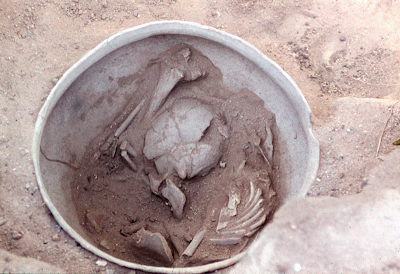
Testimonio y Storia di e Resurekshon k’Aketio (Caquetio). A pasa hopi luna cu mi no por trece mi mes na papia di storianan berdadero di k’Aketio (Caquetio). Loke ta nos manera nan, nos cultura, nos origen, y nos bida. Mino por expresa cu articulo loke ta spiritualidad, tradicion, y historia entre otro. Esaki ta pasobra ta imposibel pa papia di ken e k’Aketio ta den differente aspecto riba nan mes. Loke ta nos sabiduria y tradición ta bibo como un simbolo hente. Den tur honestidad, mi no por traduci e storia actual den e manera aki, tampoco den e manera mi a hacie na cuminsamento di e documentacionnan cu mi a publika riba mi pagina. Mi tabata purba, pero mi tabata trompika riba mi palabra. Mi lengua tabata bira y mino por papia, par di biaha pa bon motibo, otro biaha mi tabata limita na sigi publika y comparti e storia pasobra di e intentonan escuro pa kibra y deshaci di e resurekshon k’Aketio. Manera otro personanan indigeno, y k’Aketio a comparti e storia di nan bida cumi, inspirando ...
DECOLONIZING IDENTITY

Image
Where does our story begin? It is an interesting question, with an interesting answer, a story of the ages before and to come. Who are the Caquetio? Who am I? Who are you? History, until now, had distorted our sense of self, belonging, and identity. In Aruba, indigenous heritage has been until now summarized as ancient through the lens of archeology and anthropology, uncivilized through secular settler colonial society and as demonic through religious doctrine. Current knowledge of indigenous inhabitants does not extend beyond the premise out of which said knowledge was interpreted. We are often considered as belonging to the past, with only archeological excavations and anthropological theories to highlight pre-colonial life, such as the distinction between pre-ceramic and ceramic inhabitants. Yet, this does not centralize the voice of indigenous inhabitants, and their descents, which most of us are. Historically, there was never a chance to tell our own story. Western knowledge syste...

Indigenous Story: Arawak Caquetios & Rock Formations [Myth, Legend, History]

Image
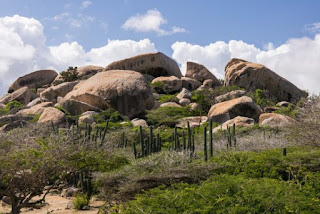
Indigenous Story: The rock formations have many hidden faces. To the Caquetios the rocks were alive and at times embodied spirits. These spirits are of the dead who have passed on, or ghostly spirits, important Creatures/Animals, or a symbol of a Cultural Hero. In another way, the rocks, along with the hills, were revered and honored as God's or Powerful Spirits. This is an aspect of the many myths & legends of the Arawak Caquetios, passed down by the elders from generation to generation through stories, teachings, traditions.  The rocks formations and the magnificent forms were revered as sacred and were honored greatly for their significance to the indigenous people of Aruba. Legend: It is said, if you gaze long enough at a great rock, its power can enliven you, or overwhelm you. Storia di Injan: E piedra nan tin hopi cara scondi. Pa e Caquetionan e pierdanan tabata bibo y un manera cu spiritunan tabata manifesta nan presencia paranormal. E spiritu nan aki tabata e almanan di...

Introduction

Image
Welcome.  Join me on this journey in returning to the past, to the long-forgotten memories & ancestors, and in honoring them through remembrance & reverence, in order to move forward on the Red Road.  Many things will culminate here together in the seasons to come. We will together touch many wounds, and begin healing . I will present many stories that are now their time to be told, and discuss topics (Colonialism, Amnesia, Loss of Spiritual-Self, Myth & Meaning...) that now must be addressed from the indigenous standpoint, connected by Wisdom. Most importantly, I will touch where we stand today, and what we must do now in times of great peril. We will be returning to the truth, resurrecting the wisdom of the elders, walking the red road. We can not come/be together [whole] if we can not remember [home].  Many blessings.